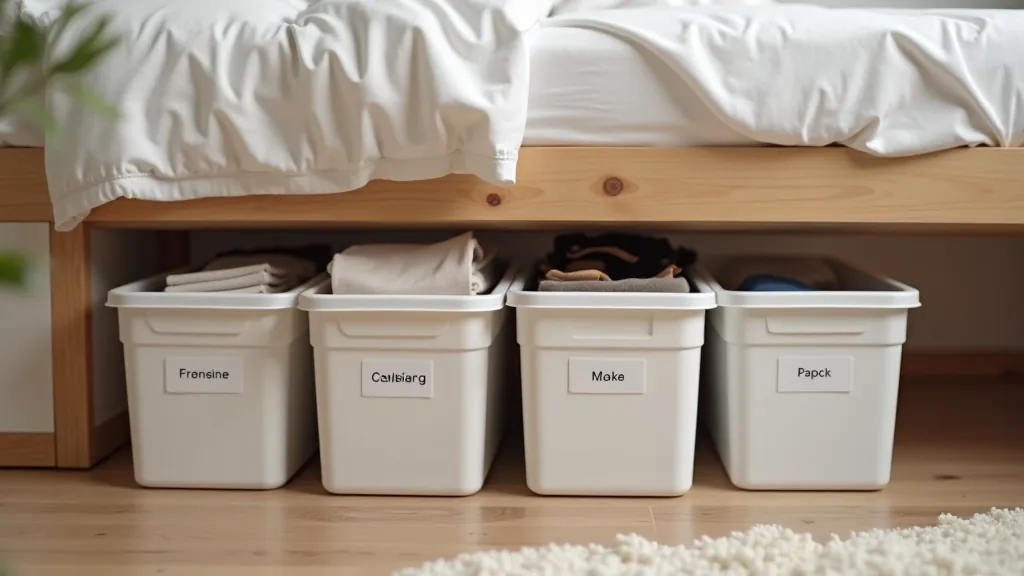
Under-Bed Storage That Actually Stays Organized
The practical truth about what works under beds and what doesn't. Plus a simple rotation system that keeps everything accessible.
Read ArticleLearn how to choose the right shelving system, install it safely, and organize items so everything's accessible but nothing clutters your floor space.
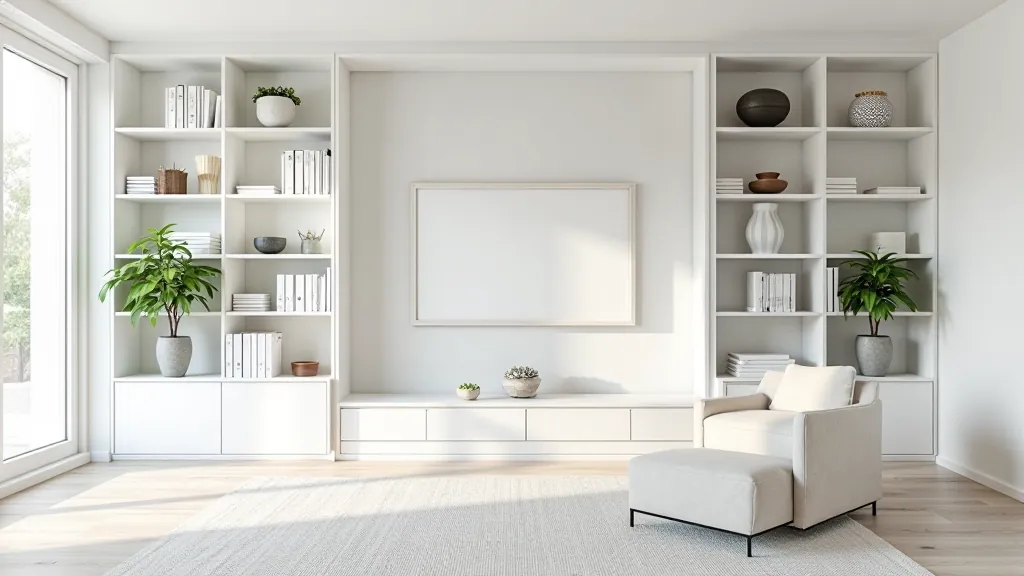

Your walls are probably your most underused resource. Most people focus on furniture and floor space, but here's the thing — walls give you access to square footage you're already paying for. You're not using it.
Vertical shelving isn't just about saving floor space. It's about organizing your life in a way that actually works. When you can see everything and reach everything without moving other things first, you're living differently. Your space feels bigger. Your mornings are easier. You're not buying duplicates of things you already have buried somewhere.
This guide walks you through the whole process. We'll cover the different types of shelving systems, how to figure out what you actually need, installation basics, and the real-world organization strategies that work in Latvian homes.
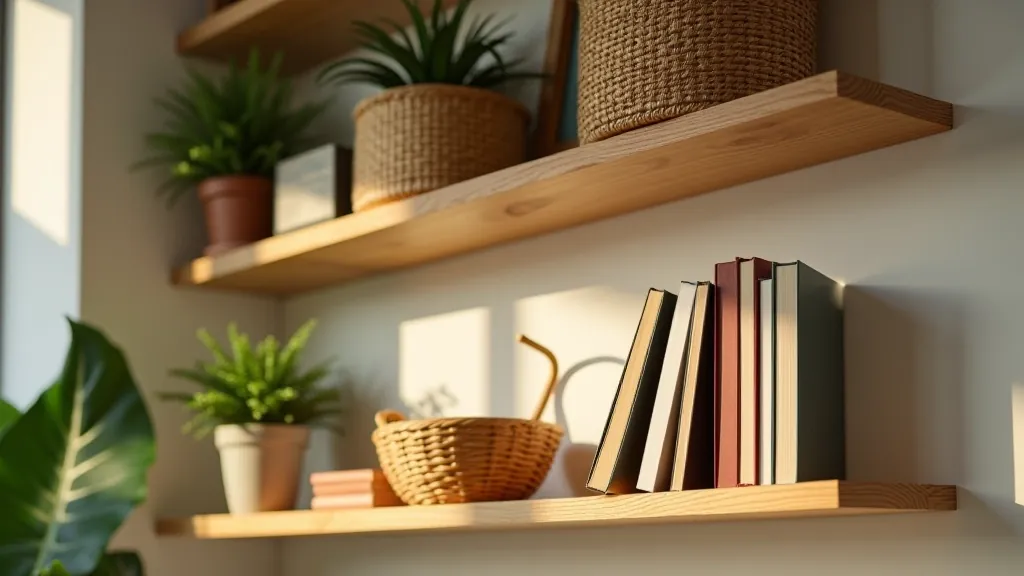
Not all shelving is the same, and choosing the right system depends on what you're storing and how much weight you're putting on those walls.
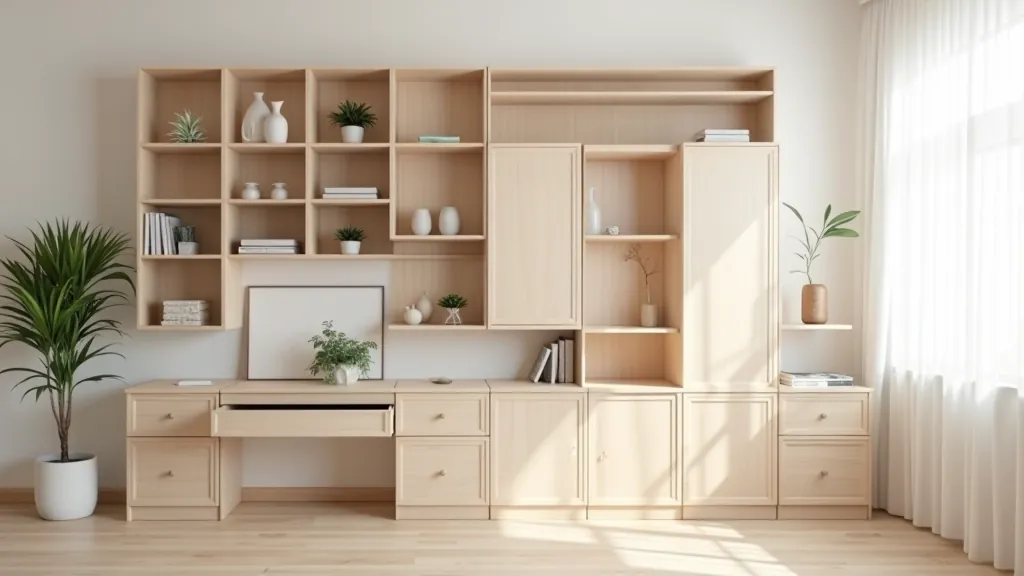
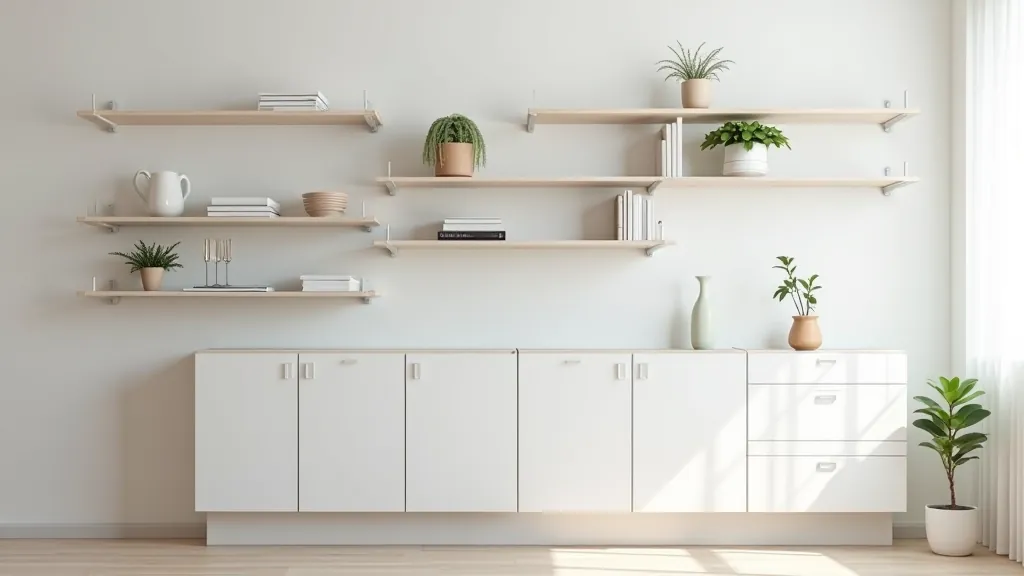
These look clean and modern. They mount directly to the wall with hidden brackets. The catch? They're typically good for lighter loads — books, small plants, decorative items. If you're planning to load them with heavy items, you'll need serious wall anchors and proper installation into wall studs.
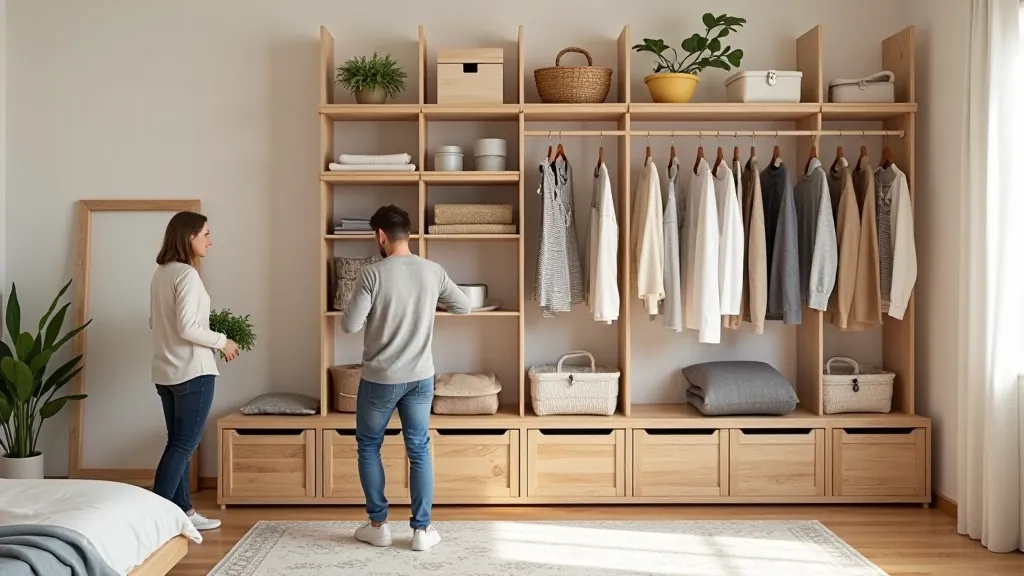
You mount a horizontal rail to the wall, then hang shelves from it. This is incredibly flexible — you can adjust shelf height easily and redistribute weight across the rail. It's the approach photographers and designers love because you can reconfigure anytime without new holes.
Closed storage that doesn't require dusting. These work well if you need to hide things but want them accessible. They're heavier, so installation needs to be solid, but they can carry real weight.
These aren't mounted to walls but pushed against them. They're the easiest to install and you can take them with you if you move. The tradeoff? They're not as stable for extremely heavy loads and they do take up some floor space.
This guide is educational and designed to help you understand shelving options. Installation requires assessing your specific wall type (plaster, concrete, drywall), weight capacity, and local building codes. If you're uncertain about installation or mounting heavy items, consult with a professional carpenter or structural specialist. Proper installation protects your home and keeps people safe.
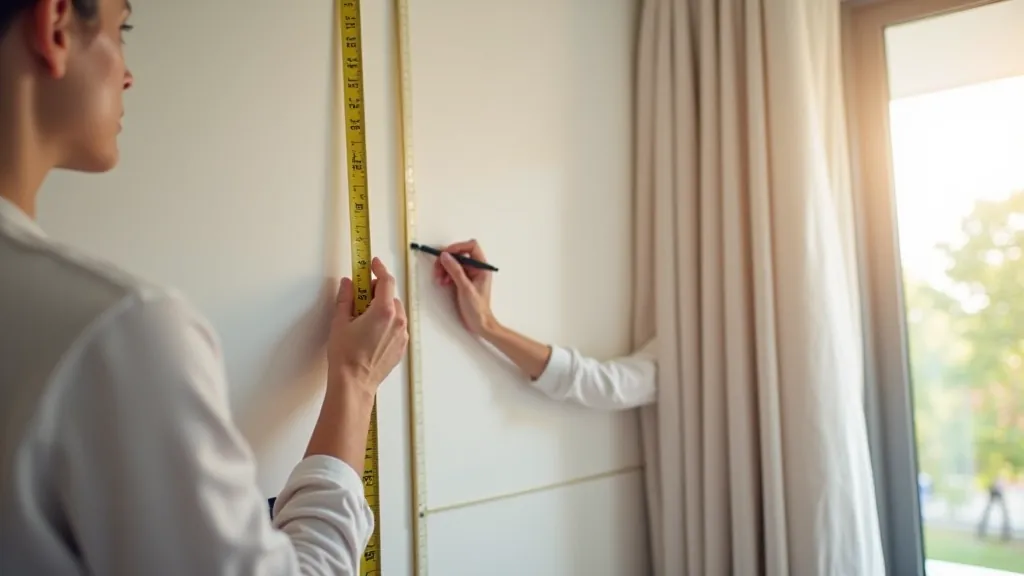
Before you buy anything, spend time thinking about what you're actually going to store. Most people put shelves up first and figure out the organization later. That's backwards.
Get the exact dimensions. Height, width, and note where electrical outlets and windows are. You don't want shelves blocking natural light or making it impossible to plug things in.
Walk around your home and gather the items you want to shelve. Organize by category — books, decorative items, storage boxes, plants. See how much space you actually need.
Different items need different spacing. Books stack tightly. Plants need room to grow. Decorative objects need breathing room. Sketch it out on paper first.
Drywall, plaster, concrete — they all mount differently. Heavier items need studs. Lighter items can use anchors. Know your wall before choosing your system.
Here's where most people get it wrong. They fill shelves with everything they own because they suddenly have vertical space. Then nothing looks intentional. Everything feels cluttered.
The real strategy? Use about 60% of your shelf space for items. Leave the other 40% open. It sounds wasteful. It's not. Open space makes everything visible. It makes your room feel calm instead of chaotic. Plus, you've got room to add new things without rearranging everything.
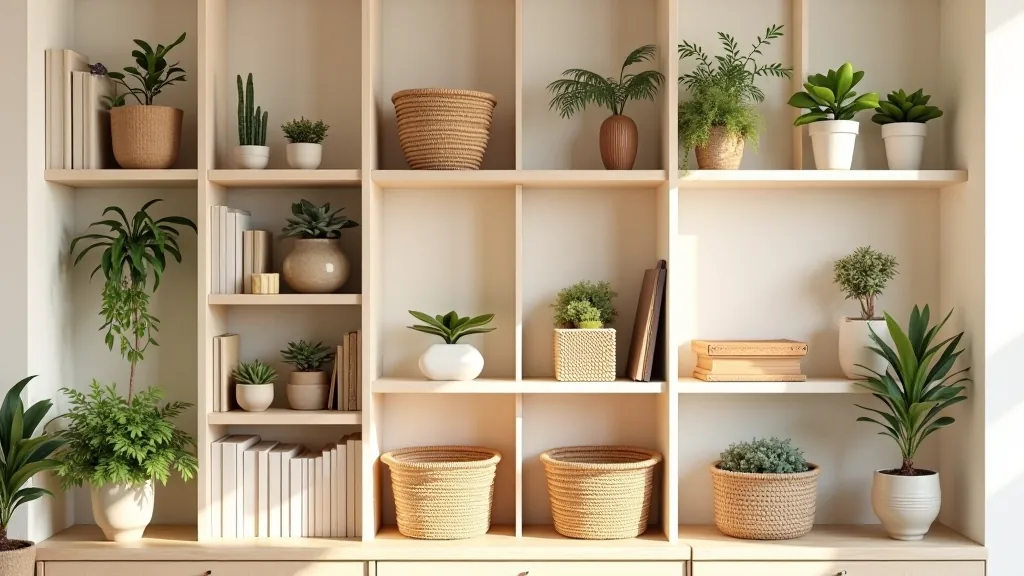
Group items by category and keep the colors somewhat coordinated. You don't need everything to match, but don't mix eight different colors on one shelf. Use boxes or baskets for small items — they look intentional and contain visual chaos.
Vary heights and shapes. All tall items looks boring. All small items looks fussy. Mix them. Stack some books horizontally, stand some vertically. Add a small plant or decorative object next to a group of books. It's more interesting and it feels collected rather than random.
The items at eye level matter most. That's what people see when they walk in. Put your nicest things there — the books you actually love, the plants, the things you're genuinely proud of. Less visible shelves can hold everyday items or things you use regularly.
If you're using boxes or closed storage, label them. You'll forget what's inside. Six months later you'll buy duplicates of things already on that shelf. Small labels save money and frustration.
You don't need winter decorations visible in July. Use shelves for items you're currently using. Store seasonal things elsewhere. It keeps your shelves fresh and relevant to what's happening now.
Don't load all the heavy books on one shelf. Spread weight evenly across multiple shelves. This protects your walls and keeps shelves from sagging or warping over time.
You don't need everything at the front edge. Put things at different depths — some items forward, some back. It creates visual interest and uses your shelf depth efficiently.
Things you use daily shouldn't be on the top or bottom shelves. Eye-level and chest-level are your zones for frequently used items. Top and bottom work for decorative things or seasonal storage.
Paint will chip where shelves bracket the wall. Consider touching up paint every couple of years or use protective backing panels behind the shelves if it bothers you.
Vertical shelving needs occasional attention. Not much, but a little maintenance keeps everything working well.
Check your shelves every few months. Look for signs of sagging or if anything feels unstable. If a shelf is starting to bow, it means you've overloaded it. Remove some weight and redistribute items. This is especially important if you have kids or pets jumping around — they create vibration that loosens brackets over time.
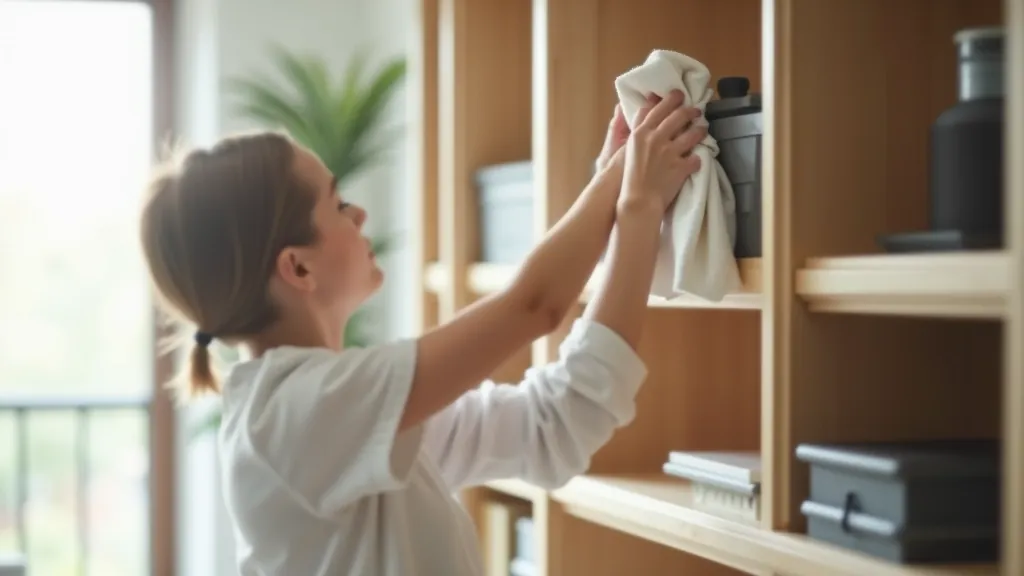
Dust regularly. Open shelves collect dust, especially the tops where you can't see. A quick wipe every month or so keeps your items clean and your shelves looking intentional rather than neglected.
Reorganize seasonally. Every few months, spend an hour reshuffling things. Remove items you're no longer using. Add new things. Refresh the arrangement. It keeps your shelves feeling alive instead of static. Plus you'll notice things you forgot you had and might actually use them.
Vertical shelving isn't complicated. It's just being intentional about what you put on your walls and how you organize it. Start small if you're nervous. One wall. See how it works. See if you like it. Then expand from there.
The best shelving system is the one you'll actually use and maintain. If you're choosing between something trendy that's hard to keep organized and something simple that works naturally with how you live — pick simple. You'll be happier with it in two years.
Your walls are real estate. You're paying rent or a mortgage on that space. Might as well use it. Make your home work for you instead of the other way around.
Explore more storage solutions and organization strategies tailored to Latvian homes.
Explore All Storage Ideas