
zephyronix Storage Solutions Logo zephyronix Contact Us
Contact Us

Modular Furniture: Flexibility Without Constant Rearranging

Why modular pieces adapt better to life changes, how to evaluate quality, and which configurations work best in smaller European apartments.

April 2026 12 min read Intermediate
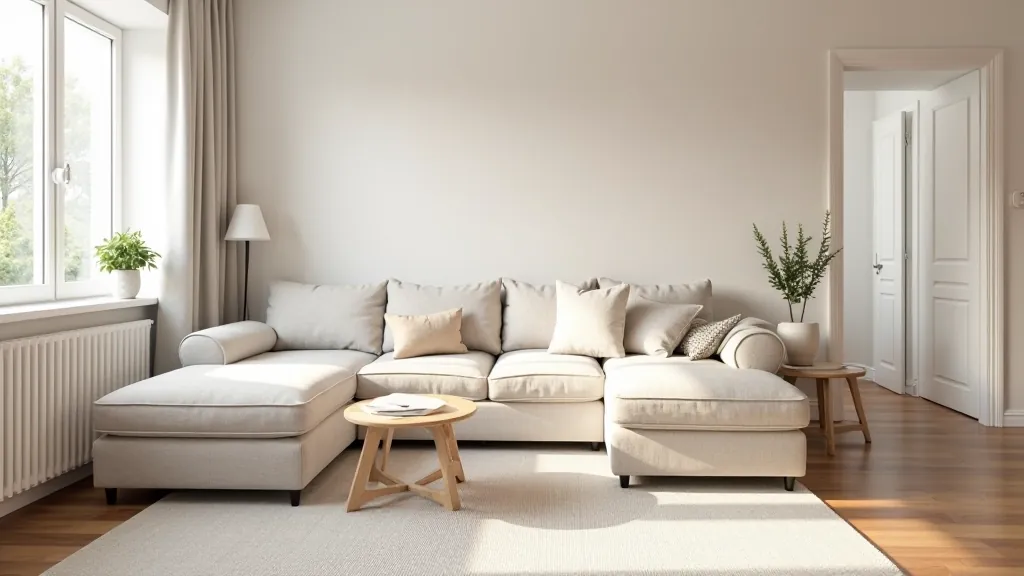
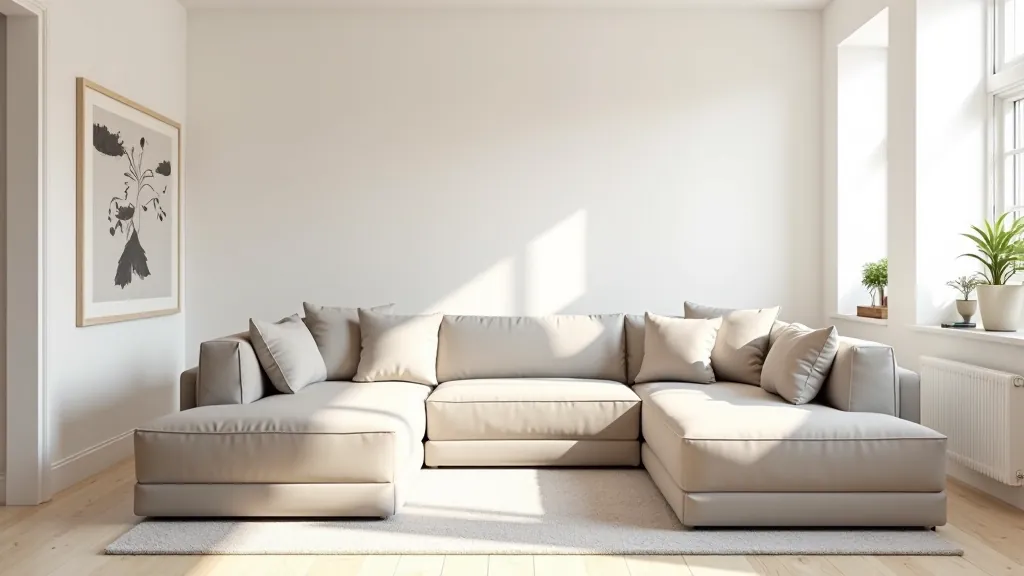
Modern modular sofa in light living room with clean Scandinavian design, natural daylight from windows, minimalist interior decoration
Artūrs Ozoliņš, Senior Storage Solutions Specialist

Author

Artūrs Ozoliņš

Senior Storage Solutions Specialist

Senior storage design specialist with 14 years of experience optimizing Latvian homes through innovative vertical shelving, modular furniture, and seasonal organization systems.

What Makes Modular Furniture Different

Modular furniture isn't just a design trend—it's a practical solution for homes that change. Whether you're moving apartments in Riga, growing your family, or simply tired of a layout that doesn't work anymore, modular pieces adapt without requiring you to replace everything.

The key difference? Modular systems are built with flexibility in mind from day one. Unlike a traditional sofa that's one fixed shape, a modular system lets you reconfigure sections, add pieces over time, or remove parts you don't need. You're not rearranging furniture constantly—you're actually changing its structure to fit your life.

In European apartments where space is precious, this matters. A lot. You'll spend less money replacing furniture and more time living comfortably in a space that actually works.
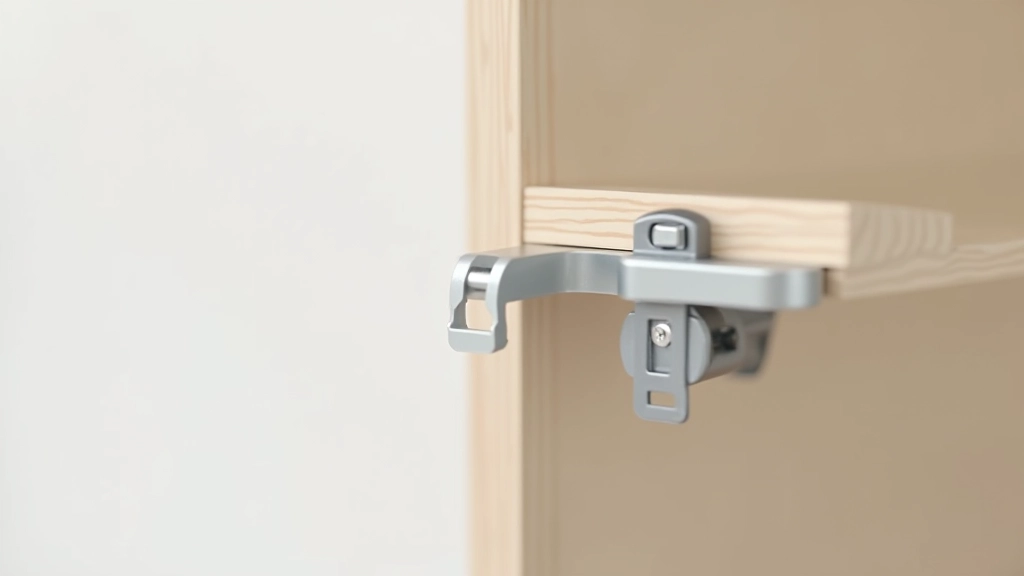
Close-up of modular sofa connectors showing metal clips and attachment points, professional product photography, white background
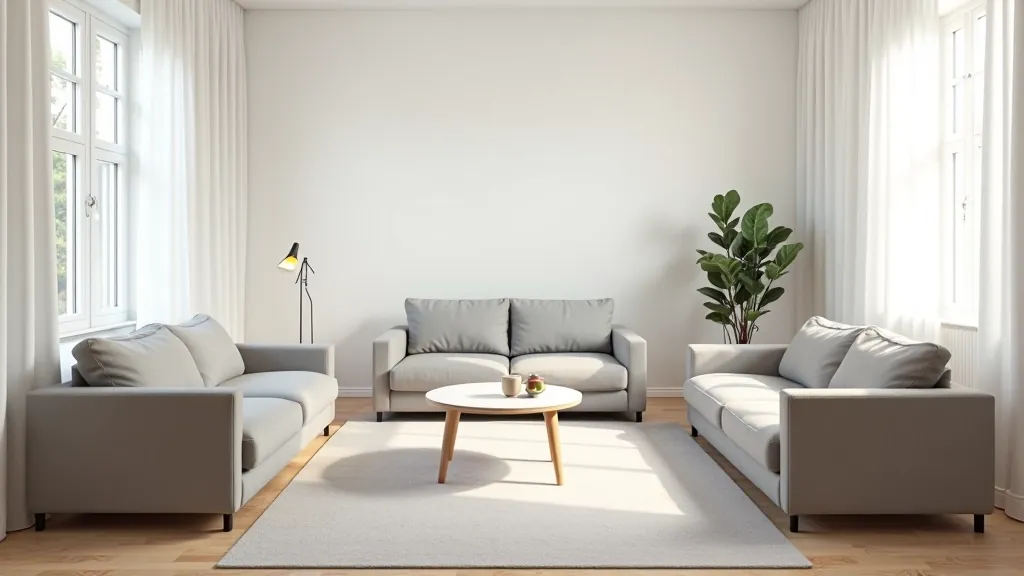
Three different modular sofa configurations shown side by side: L-shape, straight line, and U-shape arrangements in a bright apartment setting

Understanding Configuration Options

When you're shopping for modular furniture, you'll notice pieces come with different section options. We're talking about chaise lounges, corner units, armless sections, and storage modules that all connect together.

Here's what actually matters: Start by measuring your space precisely. Don't estimate. A corner module might look perfect in the showroom but take up half your living room. We've seen this happen in dozens of Latvian apartments—the furniture arrives, and suddenly it's too big or blocks a window.

Think about how you actually use the space. Do you host gatherings? You'll want sections that can spread out. Living alone? A compact L-shape probably serves you better. The flexibility comes from being able to change this later, but starting with realistic dimensions saves frustration upfront.

Pro tip: Quality modular pieces let you remove individual sections without damaging connectors. This means you can reconfigure or downsize without replacing the whole system.

Important note: This article provides informational guidance on evaluating and selecting modular furniture. Actual compatibility between modules varies significantly by manufacturer and product line. Always verify connection systems with the seller before purchasing, and request detailed specifications about weight limits and attachment mechanisms. Room dimensions, layout constraints, and personal needs are unique to every home—what works for one apartment may not suit another.

Evaluating Quality: What Actually Matters

Not all modular furniture is built the same. You've probably seen budget options that feel flimsy and premium pieces that cost as much as a small car. The sweet spot? Understanding what separates durable from disposable.

Check the frame first. Solid wood or reinforced plywood frames hold up better than particle board. When you sit on a quality modular piece, you shouldn't hear creaking or feel it shift. The connection points between modules matter enormously—metal connectors outperform plastic clips every time. A good system uses bolts or dowels that stay tight after years of use.

Fabric choice affects longevity too. In homes with kids or pets, microfiber performs better than linen. But here's what most people miss: ask about the density of cushion foam. Denser foam (around 2.0 kg/m³) maintains its shape for 7-10 years. Cheaper foam compresses within 2-3 years and starts looking saggy.

  • Wood frame construction with visible joinery
  • Metal connectors (not plastic)
  • High-density foam cushions
  • Removable, washable covers (if possible)
  • Warranty covering structural components for 5+ years
Interior designer examining fabric and frame details of modular furniture piece, hands-on product inspection, professional studio setting
Small European apartment living room with L-shaped modular sofa, efficient space planning with vertical storage, compact but comfortable furniture arrangement

Modular Solutions for Smaller Spaces

Smaller apartments are where modular furniture really shines. You're not fighting against fixed dimensions or wasting dead space. Instead, you're building a system that grows or shrinks with your actual needs.

A compact corner module paired with a single armless section might be exactly what your 40-square-meter apartment needs right now. In two years, when you move to something larger, you can add a chaise lounge and additional seating without replacing anything. Or downsize if circumstances change again.

The storage advantage gets overlooked too. Many modular systems include modules with built-in storage compartments. These pull double duty—providing seating while solving the perpetual problem of where to put things in smaller homes. We've seen families in Latvian apartments reduce clutter significantly by choosing modular pieces with integrated storage rather than buying separate furniture.

Real example: A client in a 55-square-meter Riga apartment started with a 2-section L-shape. Three years later, she added a third section and a storage module. Total cost across the purchases was less than buying a single premium sofa would've been initially.

Making the Choice Work for You

Modular furniture solves a real problem: spaces and lives change. Instead of replacing an entire sofa because you need different seating, you reconfigure. Instead of being stuck with a fixed layout, you adapt.

The key is being honest about three things: your actual space dimensions, your real usage patterns, and how long you plan to stay in your current home. A modular system is an investment in flexibility. It's worth the upfront thought.

Don't get seduced by how it looks in the showroom. Check the frame, test the connectors, sit on it multiple times, and verify you're not buying based on a color you might tire of in six months. The best modular furniture is the piece you'll keep rearranging—not replacing.

Explore other storage solutions for your home

Browse All Storage Guides