
zephyronix Storage Solutions Logo zephyronix Contact Us
Contact Us
Storage Guide

Under-Bed Storage That Actually Stays Organized

The practical truth about what works under beds and what doesn't. Plus a simple labeling system that keeps things easy to find even months later.

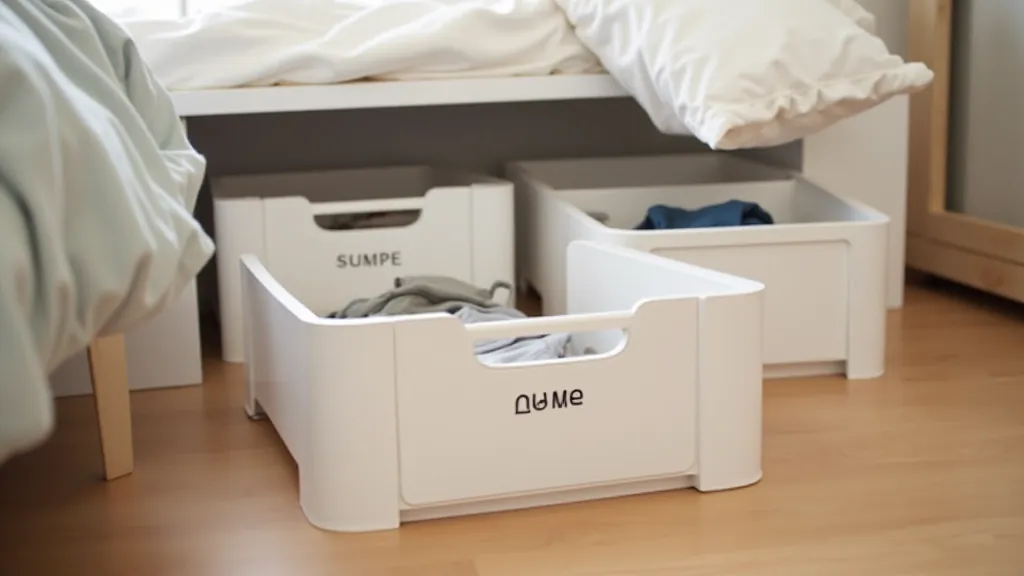
Organized under-bed storage containers neatly arranged with clear labeling visible on drawer fronts
Artūrs Ozoliņš

Artūrs Ozoliņš

Senior Storage Solutions Specialist

Senior storage design specialist with 14 years of experience optimizing Latvian homes through innovative vertical shelving, modular furniture, and seasonal organization systems.

Why Under-Bed Storage Fails (And How to Fix It)

Most people shove things under their beds and forget about them. That's the problem right there. You'll find a container six months later and have no idea what's inside. You'll pull out the wrong one when you need something specific. And worst of all, you'll buy duplicates of things you already have because you can't remember what's stored down there.

Here's what we've learned: under-bed storage works brilliantly — but only when you treat it like an actual system, not a dumping ground. We're talking about containers that fit properly, a labeling approach that sticks (literally), and an inventory method that takes about 10 minutes to set up.

The Container Reality Check

Not all under-bed containers are created equal. The ones that work have these specific features: they're shallow enough to slide in and out smoothly, they've got wheels or smooth bottoms (no dragging), and they seal properly so dust doesn't sneak in during the months they're sitting there.

Standard plastic storage boxes? They work, but you're fighting gravity and friction every time you need something. Clear containers beat opaque ones by miles — you don't have to open every single box hunting for that winter scarf. The depth matters too. Most beds sit about 12-14 inches off the ground. Anything taller than 10 inches gets tricky to slide.

  • Measure your bed clearance before buying containers
  • Choose clear containers so you can see contents at a glance
  • Look for containers with wheels or felt bottoms for smooth sliding
  • Stack isn't ideal under beds — keep it single layer
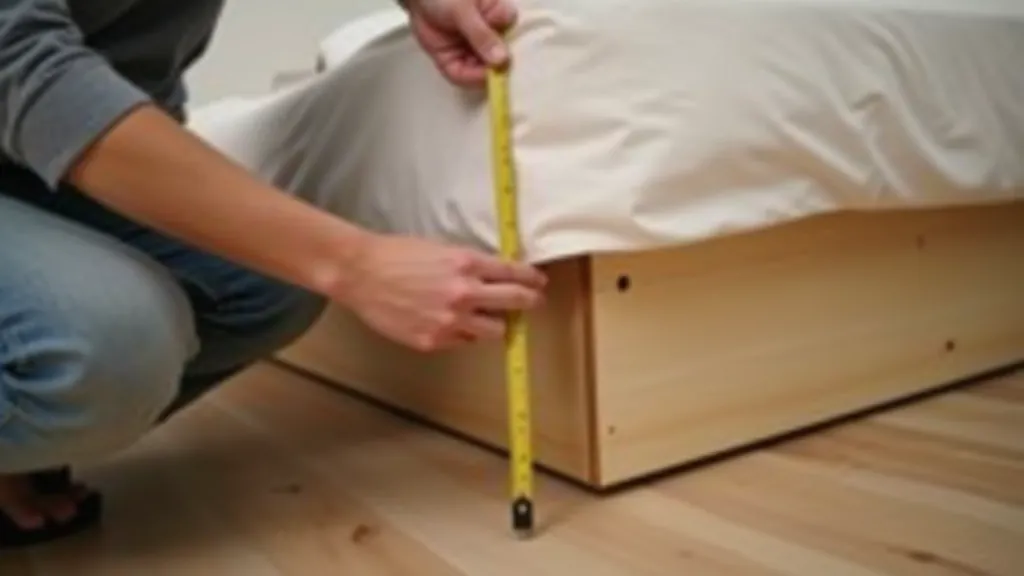
Person measuring the clearance under a bed frame with a measuring tape, showing proper height assessment for container selection

About This Guide

This article provides general information about under-bed storage organization. Storage needs vary based on individual circumstances, bedroom dimensions, and personal preferences. The techniques described are suggestions based on common practices — your specific situation may require adjustments. Always measure your space and test containers before committing to a full storage system.

The Labeling System That Actually Works

Here's where most people stumble. They'll label a container with a permanent marker on the plastic. Within a year, the marker fades, the label gets smudged, and you're back to guessing what's inside.

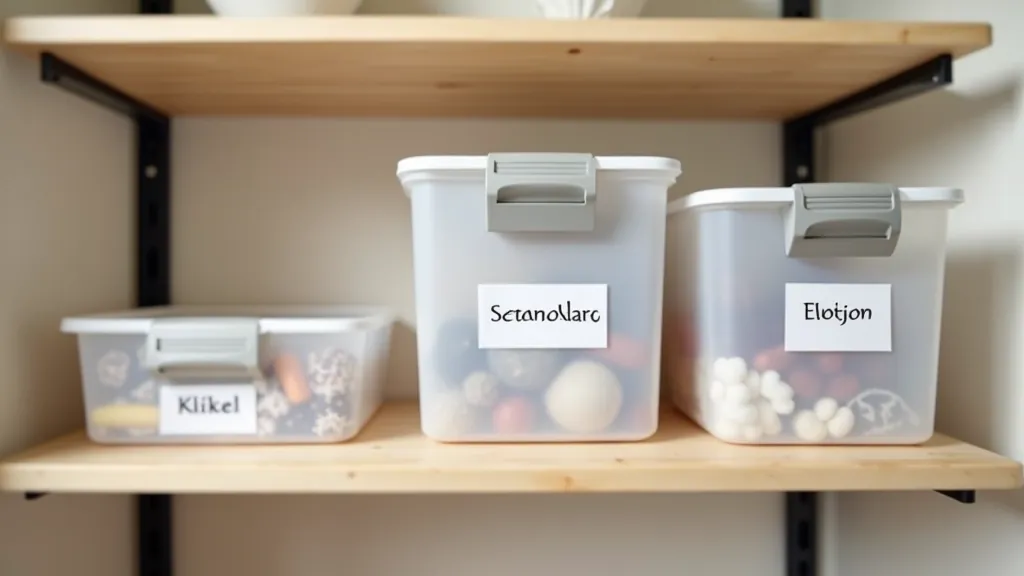
We use a three-part system. First, a printed label on clear tape on the front of the container — this stays visible and readable. Second, a photo of the contents stored on your phone or in a simple spreadsheet. Third, a "last checked" date so you know when you actually last opened it. Sounds like overkill? Try it for two months and you'll wonder how you ever lived without it.

The spreadsheet takes maybe 15 minutes to set up. Column one: container number. Column two: contents description. Column three: location (bedroom, guest room). Column four: last checked date. That's it. When you need something, you search the spreadsheet instead of pulling out eight containers.

Close-up of a labeled storage container with clear label tape showing contents and a date marker on the front
Seasonal items organized in clear containers with seasonal labels, showing rotation-ready storage setup

Seasonal Storage Without the Chaos

Under-bed space is perfect for seasonal rotation. Winter coats in spring? They belong under the bed. Summer sandals in December? Same place. But here's the thing — rotation only works if you know exactly what you're rotating.

Create a seasonal calendar. Note which containers come out in June and which ones go back in September. Don't just remember it — actually write it down. You'll be amazed how a system that seemed obvious in spring becomes completely mysterious by the time autumn rolls around.

One practical tip: label seasonal containers by season and year. "Winter 2026" is clearer than just "Winter Clothes." When you pull out last year's containers, you can actually see that they've been sitting there for 12 months. That matters when you're deciding whether to refresh your winter wardrobe.

Keeping Your System Alive

The most common reason under-bed storage systems fail isn't the containers. It's neglect. You set it up beautifully, and then life happens. Things get added without updating your spreadsheet. Containers get shifted around. Labels peel off.

1

Monthly Quick Check

Pull out each container once a month. Takes 15 minutes. Verify the label matches what's inside. Fix anything that's shifted or come loose. This prevents the "I have no idea what's in here anymore" situation.

2

Update Your List

When you add or remove items, update your spreadsheet immediately. Don't wait. Don't think you'll remember. Just do it right then. It's 30 seconds per container. The system only works if your list actually matches reality.

3

Replace Labels Annually

Once a year, peel off the old labels and print new ones. Fresh tape, fresh label, fresh date. It's not complicated, and it keeps everything readable. You'll actually use your system if you can see what's inside without squinting.

4

Declutter Before Storage

Don't store things you don't actually use. Under-bed space is limited. Before a container goes under the bed, make sure everything in it is something you'll actually want in the future. No "just in case" items.

The Real Difference

Under-bed storage isn't complicated. It's just intentional. You're not throwing things down there and hoping for the best. You're creating a system where everything has a purpose, a location, and a label. You know what's down there without opening containers. You can find what you need in 30 seconds instead of 10 minutes of rummaging.

Start with proper containers, add clear labels, maintain a simple list. That's it. Three things. Your future self will be incredibly grateful when you're looking for something in March and you can actually find it because you labeled it properly back in September.

The best storage system isn't the one with the fanciest containers. It's the one you'll actually use and maintain six months from now.