
Why Seasonal Rotation Matters
Winter coats disappear. Summer gear vanishes. You're hunting through closets in March looking for things you know you have somewhere. Sound familiar?
Here's the real problem: most homes don't have enough daily-use space for everything year-round. You've got winter boots, summer sandals, holiday decorations, ski equipment, beach towels. They can't all live in your main living areas.
A rotation system isn't complicated. It's just about knowing what you have, where it lives when you're not using it, and when to swap things in and out. We're talking 4 simple transitions per year — that's it.

The Four Rotation Points
You don't need to overthink this. Pick four dates that make sense for your climate and stick with them. We're suggesting March 15, June 1, September 15, and November 1. These roughly split the year into seasons.
On each date, you spend maybe 45 minutes swapping things. Winter items go into storage. Summer items come out. That's the whole system. No daily decisions. No guessing where your spring jackets ended up.
The timing doesn't have to be exact. If your city gets hot in late May instead of June 1, move the date. The point is consistency, not perfection.
Disclaimer
This guide provides general storage organization strategies. Individual circumstances, living spaces, and climate conditions vary significantly. The rotation system described is based on common seasonal patterns in temperate climates. You may need to adjust timing and categories based on your specific location, family needs, and available storage space. Storage solutions are educational recommendations — not professional organizing services.
What Gets Rotated (and What Doesn't)
Not everything moves. Daily-use items stay accessible. That's your everyday clothes, shoes you actually wear, medications, toiletries. Those stay put.
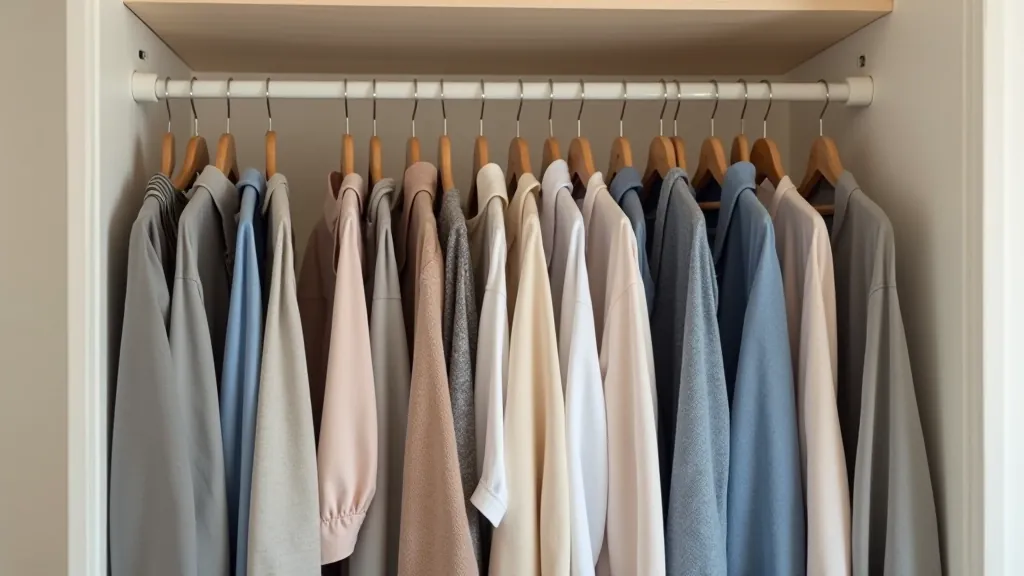
Here's what rotates: seasonal clothing (heavy coats, shorts), holiday decorations, specialized equipment (skis, garden tools), and seasonal textiles (thick blankets, light summer bedding).
Typical Items to Rotate
- Winter coats, boots, scarves, gloves
- Summer sandals, light clothing, shorts
- Holiday decorations (all types)
- Garden equipment and outdoor furniture
- Seasonal bedding (wool blankets, lightweight quilts)
- Specialty sports equipment (skis, swim gear)
- Seasonal kitchen items (outdoor grilling tools, etc.)

The Storage Container System
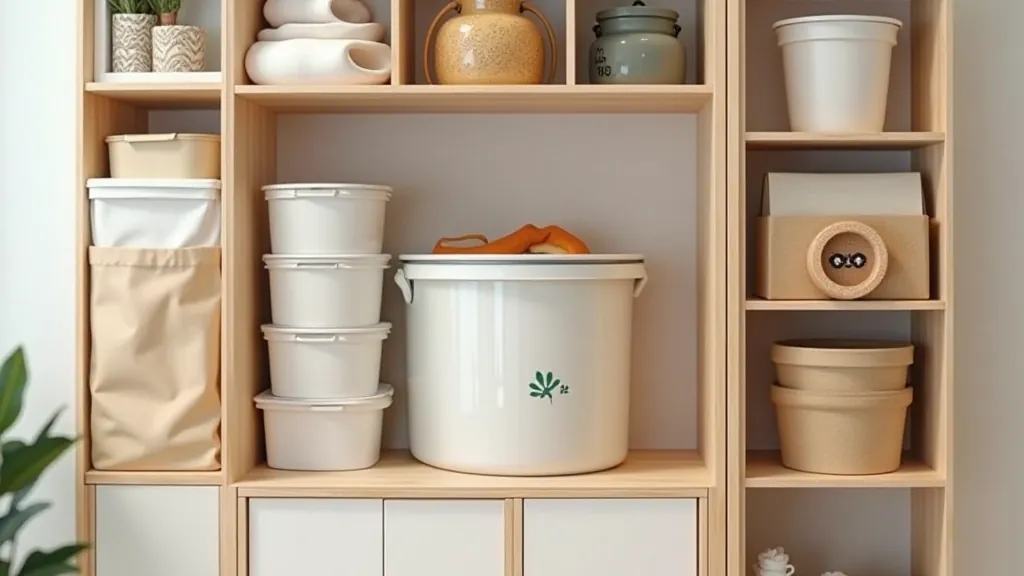
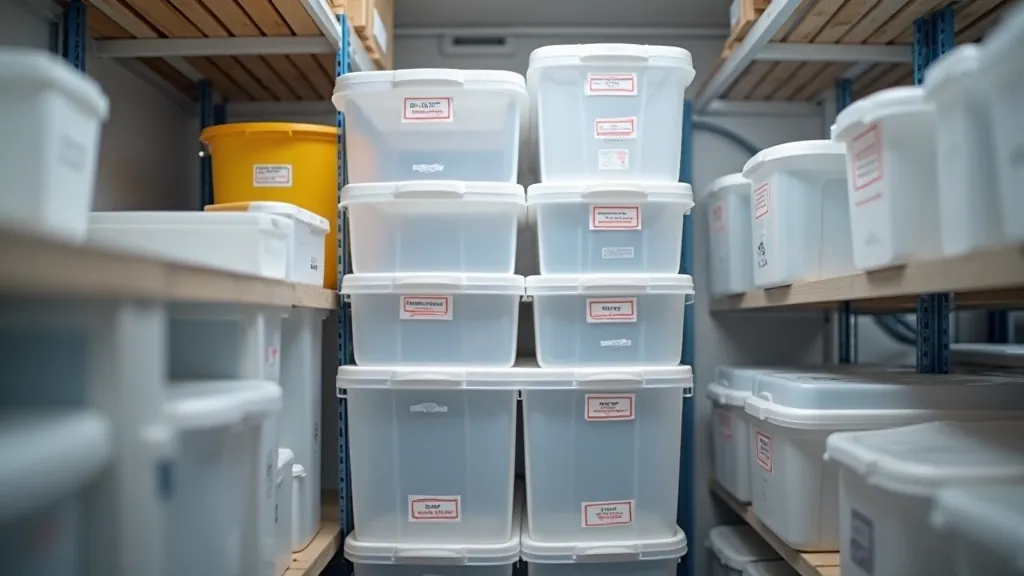
Clear plastic bins are your friends. You'll want 3-5 containers per season depending on what you're storing. Clear ones matter — you can see what's inside without opening them.
Label everything. Use a label maker or masking tape and a permanent marker. Write what's inside, the season it belongs to, and ideally a quick count. "Winter Coats — 3 items" takes 5 seconds to write and saves you 10 minutes of digging.
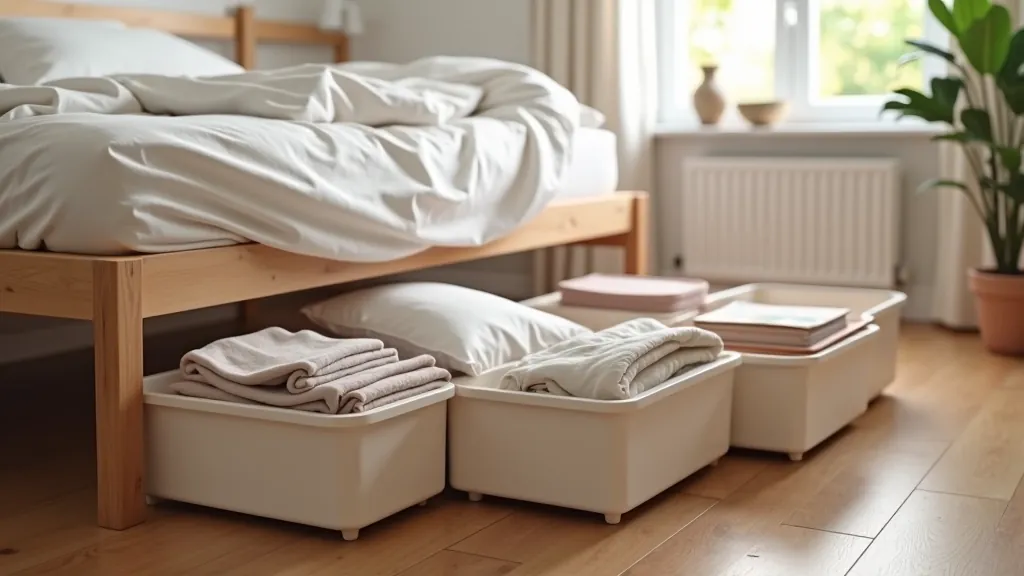
Store containers in a consistent place. A closet shelf, basement corner, or under-bed space works. Wherever you choose, keep it the same. Your future self will appreciate knowing exactly where to find things.
Making It Actually Stick
The system only works if you use it. Here's what makes it sustainable.
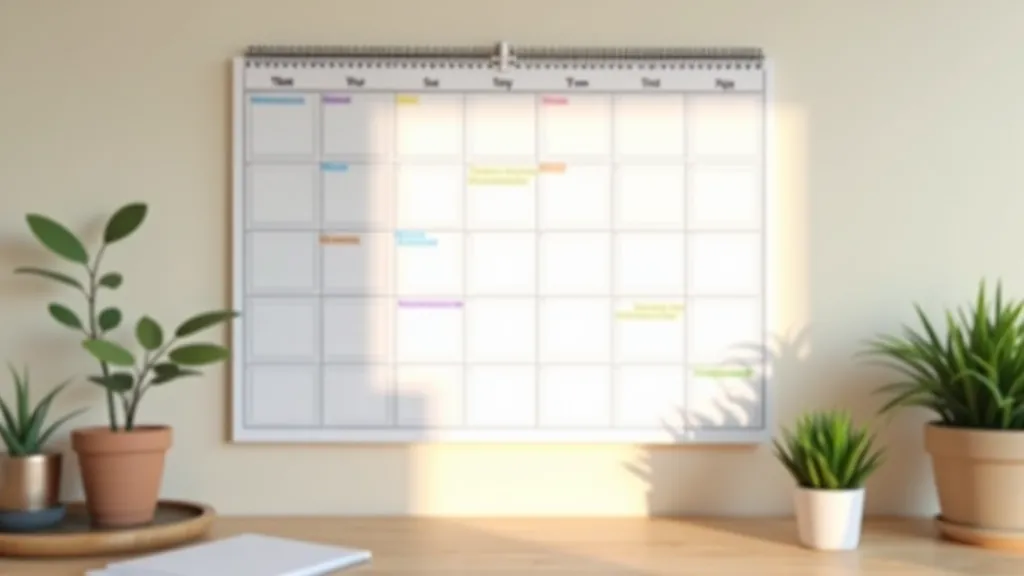
First, set calendar reminders. Two weeks before your rotation date, a reminder pops up saying "Time to prep for season change." This gives you a heads-up without the pressure of doing it right now.
Second, do it with someone if possible. Makes the 45 minutes go faster and it's less boring. Your partner, a friend, or even your teenager can help. Turns a chore into a quick project.
Third, donate as you rotate. When you pull out winter stuff, anything you didn't wear goes to charity. Same with summer items. You'll naturally end up with just the things you actually use.
Suggested Rotation Schedule
The Real Benefit
You're not reorganizing your entire home. You're not buying expensive systems. You're just being intentional about what you're using right now versus what you're storing for later.
The rotation system works because it's simple. Four times a year, 45 minutes each. That's 3 hours annually to never again hunt for seasonal items. You'll know where everything is. Your active storage spaces stay organized. And you'll stop accumulating things you don't actually use.
Start with your biggest category — probably seasonal clothing — and get the system working there first. Once you see how well it functions, expand to other items. You'll be amazed at how much control you suddenly have over your space.