Beskydy Mountain Routes for Intermediate Walkers
Three challenging trails through the Beskydy range with elevation changes, stunning forest views, and well-maintained paths.
Read articleHigh-altitude trails with technical sections, stunning ridge views, and serious mountain challenges. A comprehensive guide to six major routes for experienced walkers.
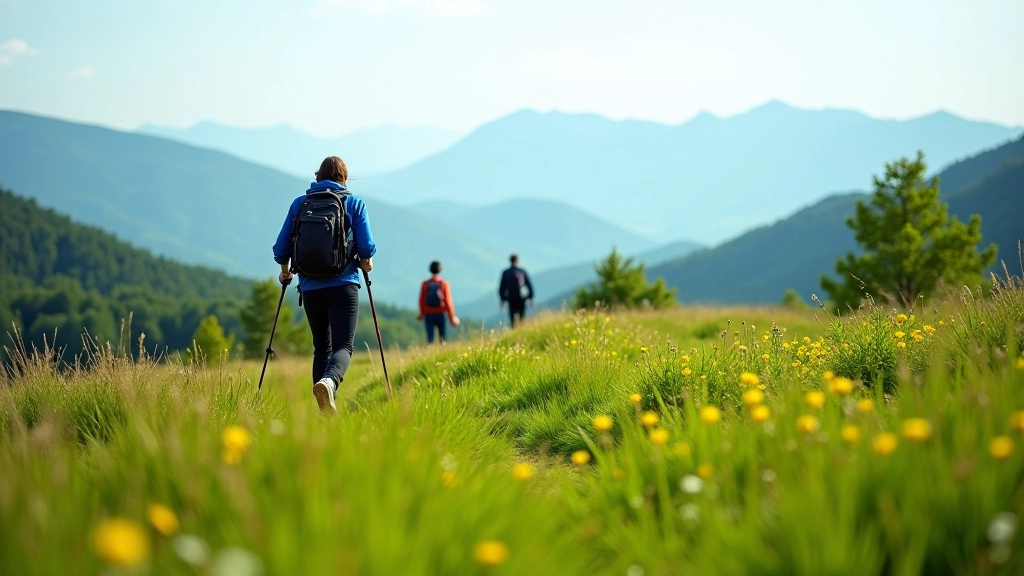
The Jeseníky Mountains aren’t for casual strollers. We’re talking about serious alpine terrain where weather changes in minutes and the elevation gain is real. These ridge paths reward preparation and experience with some of the most dramatic views in Central Europe. You’ll be walking above 1,400 meters, exposed to wind and weather, with technical footing that requires your full attention.
That said, if you’ve got solid Nordic walking technique and you’re comfortable with altitude, there’s nothing quite like it. The ridge routes connect multiple peaks, offering a genuine sense of accomplishment. Most routes take 4-6 hours depending on pace and conditions. We’re covering six established paths that we’ve tested thoroughly — everything you need to know about access, difficulty, and what actually happens on the ground.
The classic ridge walk connecting the three highest peaks. Technical scrambles with exposure on both sides. Proper pole technique prevents slips on rocky sections.
A sustained ridge walk with minimal descent between peaks. Weather exposure is significant — wind can be a real factor here. The reward’s views across the Moravian-Silesian border.
Slightly more forgiving than the peak circuit but still technical. This route includes limestone formations and sparse vegetation. Footing demands focus but rewards excellent panoramic views.
Rock formations dominate this route. You’ll be navigating around boulders and through narrow passages. It’s technical in a different way — less about altitude exposure, more about footwork precision.
A steep approach followed by exposed ridge walking. The final section to the peak is nearly a scramble. Don’t attempt this in poor visibility — navigation becomes difficult fast.
The most approachable of the advanced routes. It’s a high plateau with gentler slopes but still demands good fitness. Weather can be harsh even though the terrain’s less technical.
Alpine weather changes fast up here. You might start in sunshine and find yourself in fog and wind within 30 minutes. That’s not an exaggeration — it happens regularly. Visibility can drop to 10 meters, making route-finding nearly impossible if you’re not paying attention to landmarks and trail markers.
Always check the forecast before you go. If thunderstorms are predicted, don’t be stubborn — reschedule. The ridge is the worst place to be during lightning. If you get caught in sudden fog, you’ve got three options: turn back if you can retrace your steps, find shelter and wait it out, or move slowly using GPS and your map. Most walkers who get in trouble ignore these basics.
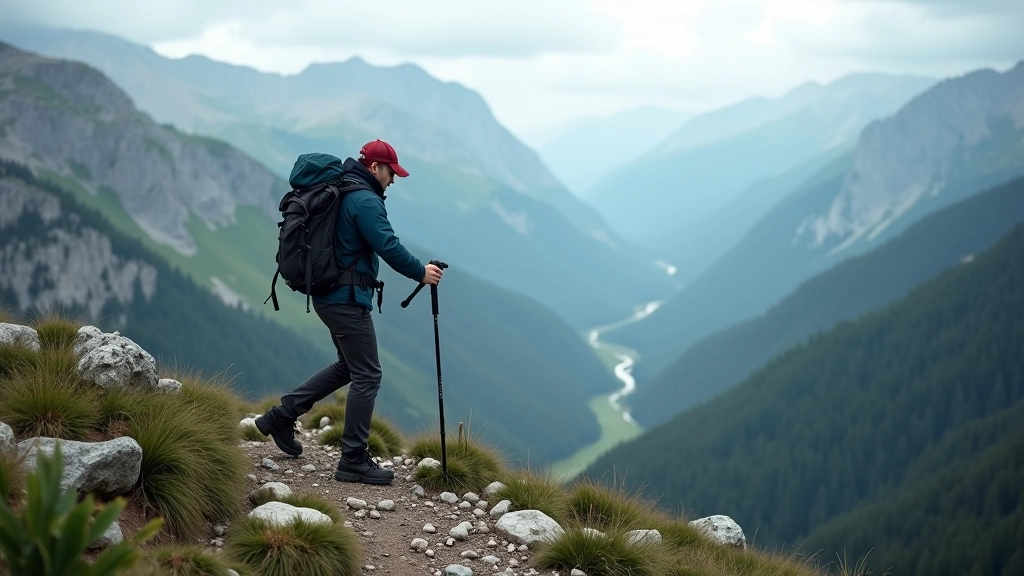
The information in this guide is educational and based on documented conditions. Alpine hiking involves inherent risks including falls, exposure to severe weather, altitude effects, and getting lost. This guide doesn’t replace professional instruction or proper preparation. Always assess your own fitness and experience honestly. When in doubt, hire a local guide who knows current conditions. Weather forecasts, trail conditions, and access rules change frequently — verify everything locally before you go.
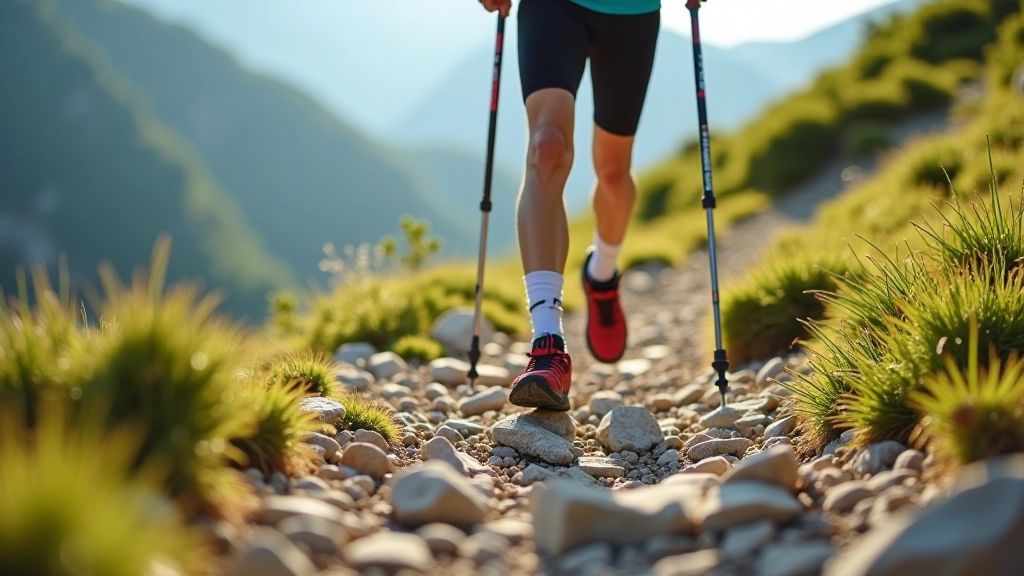
Your standard Nordic walking technique needs adjustments on technical alpine terrain. The biggest difference is pole usage. Down in the valley you’re using poles for rhythm and propulsion. Up here on the ridge, they’re safety equipment. Your poles stabilize you on loose footing and help you control descent speed.
On steep downhill sections, don’t extend your poles forward — keep them at your sides or slightly back. This gives you more control. Your weight should be on your heels, not your toes. Lean slightly back if the slope is steep. Rushing downhill is how people twist ankles. It’s slower to go carefully, but you’ll actually finish faster because you won’t be hobbling.
On ascents, shorten your pole length slightly. This gives you better balance and makes pole plants more effective. Use poles actively — they’re doing real work, not just hanging at your sides. Your core needs engagement here too. Tight core muscles improve stability on uneven ground.
At 1,400+ meters, your body’s working harder to get oxygen. Don’t fight it. Breathe deeply and rhythmically. Some walkers sync their breathing with their stride — in for three steps, out for three steps. Find what works for you. If you’re gasping, you’re going too fast. Slow down. The ridge isn’t a race.
You can’t show up unprepared and expect the ridge to be forgiving. These routes demand both physical readiness and proper equipment. Most problems happen when walkers underestimate the difficulty.
You should be comfortable hiking 15-20km with elevation changes before attempting these routes. Don’t just be fit for flat walking — do hill repeats. Stairs, steep trails, anything that builds leg strength and cardiovascular endurance.
Work on your core too. Planks, dead bugs, bird dogs — whatever keeps your abdominal muscles strong. A strong core stabilizes you on technical footing.
Start altitude training 3-4 weeks before your route. That doesn’t mean moving to a mountain. Just do higher-elevation hikes progressively. Your body adapts to altitude best with gradual exposure.
Your Nordic walking poles should be adjustable. Bring them set at normal length but adjust down for steep terrain. You’ll need trekking poles with cork or foam grips — they’re essential at altitude.
Footwear matters. Trail boots with ankle support and grip are non-negotiable. Sneakers won’t cut it on rocky ridges. Your feet are your only contact with the mountain.
Pack a backpack with 20-25 liter capacity. Too big and it throws off your balance. Include sunscreen, a hat, gloves (yes, even in summer — it’s cold up there), and a waterproof jacket. Weather can turn in minutes.
The first time you walk a ridge route, you’ll understand why these are classified as advanced. It’s not just the distance or elevation — it’s the exposure. On some sections you’re looking down hundreds of meters on both sides. That visual can shake your confidence if you’re not mentally prepared.
Your legs will feel the elevation. Even experienced walkers notice their quads burning on descent. The altitude itself doesn’t usually cause problems for people at this elevation, but you might have a slight headache or feel more tired than you expect. That’s normal.
You’ll see incredible views. Really, genuinely stunning panoramas that make every step worth it. On clear days you can see into Poland and Slovakia from the highest peaks. That’s the reward for the difficulty.
Most important: finish with confidence. Come back down in daylight. Don’t push through to complete a route if the light’s fading or weather’s turning. Pride doesn’t matter. Getting down safely does. The mountain will be there next time, and you’ll be back stronger and more prepared.
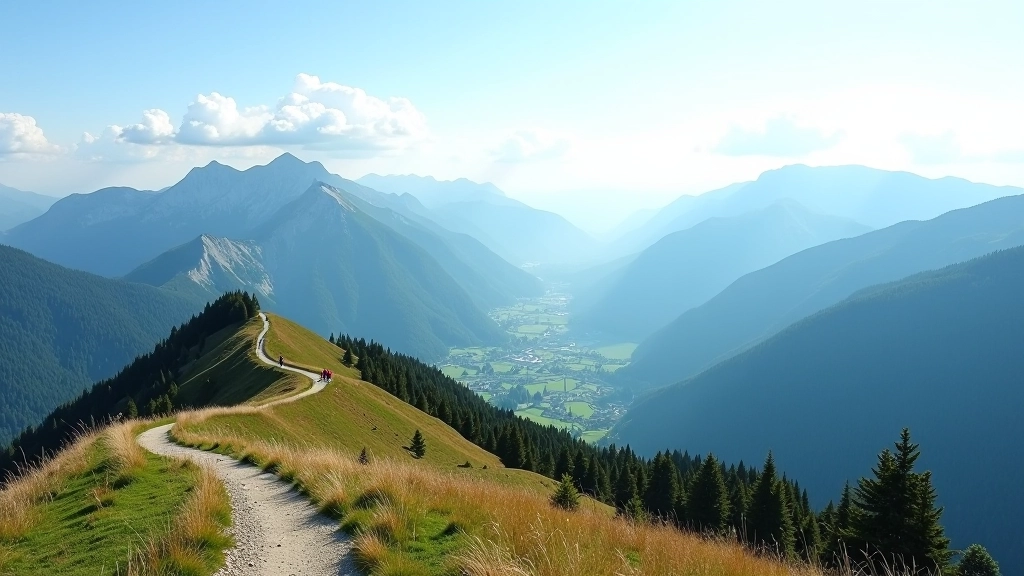
These six routes aren’t for everyone, and that’s okay. They’re for walkers who’ve put in the work, who respect the mountain, and who understand that alpine terrain demands serious preparation. If you’re ready, you’re in for something special.
Start with one of the harder routes in good weather. Velká Jeseníka Peak Circuit or Medvědí Skála will test you properly. They’re difficult enough to be meaningful but established enough that you won’t get lost. Come back to these ridges multiple times — they change with the seasons and you’ll see something new each visit.
Want to improve your technique before tackling the ridge?
Read our technique guide