
Zephyronix Logo Zephyronix Contact Us
Contact Us
Beginner-Friendly

Flat Terrain Courses — Perfect for Starting Out

Easy routes through parks and gentle landscapes around Czech cities. Great for beginners, recovery days, and building endurance without elevation stress.

6 min read Beginner April 2026
Elderly couple enjoying Nordic walking on flat terrain park trail with green landscape

Why Flat Terrain Is Your Perfect Starting Point

Not everyone wants to tackle mountains right away. That’s where flat terrain courses come in — they’re designed specifically for people just getting started with Nordic walking. You’ll build confidence, develop proper technique, and actually enjoy the experience without fighting gravity.

We’re talking about parks around Prague, Brno, and other major cities. Routes that wind through green spaces, follow river paths, and take you through neighborhoods where you can focus on movement rather than steep climbs. Most beginners see noticeable improvements in just 3-4 weeks of regular walking.

45-60

minutes per session

2-3

sessions weekly recommended

0-50m

elevation gain

8+

parks in Czech cities

The Best Routes for Beginners

Flat courses don’t mean boring. They’re designed to let you focus on what matters — learning proper technique without distraction. Your body’s working, your heart rate is elevated, but you’re not gasping for air or dreading the next kilometer.

Popular beginner routes include paths around Stromovka Park in Prague (6.2 km loop, absolutely flat), the Vltava River trail from Vyšehrad to Troja (varies from 5-12 km depending on your endpoint), and Lužánky Park in Brno with its gentle waterside paths. Don’t worry if these names mean nothing to you now — what matters is that they’re real, accessible, and they work.

Here’s the thing: flat doesn’t mean easy forever. It means achievable. Once you’ve done 4-5 weeks of flat terrain training, your legs are stronger, your breathing is controlled, and you’ll actually be ready for something more challenging. That’s the whole point.


Scenic park pathway with green trees and walking trail, perfect for beginners learning Nordic walking

Proper Form on Flat Ground

Flat terrain is actually ideal for learning correct posture. There’s no slope to compensate for, so you can really focus on the mechanics. Your poles should be roughly 68% of your height (so around 115-120cm for most adults). They’re not walking sticks — they’re propulsion tools.

1

Posture & Alignment

Stand tall. Shoulders relaxed. Eyes forward. Your core is engaged but not rigid. It’s like standing naturally — just aware.

2

Pole Timing

Opposite arm and leg move together. Right leg forward, left pole forward. It’s the same rhythm as regular walking — just with upper body involvement.

3

Grip Pressure

Loose grip. You’re not squeezing the poles. Push through your palm, let your fingers relax on the recovery. Most beginners grip way too hard.

4

Breathing Rhythm

Breathe naturally. You’re not sprinting. A good pace means you can talk in short sentences but not sing. Maintain that intensity.

Informational Note

This article provides educational information about flat terrain Nordic walking courses for beginners. It’s not a substitute for professional instruction. If you have any health concerns, joint issues, or haven’t exercised in a long time, consult with your doctor before starting. A certified Nordic walking instructor can provide personalized feedback on your technique to prevent injuries and ensure you’re getting the most from your training.

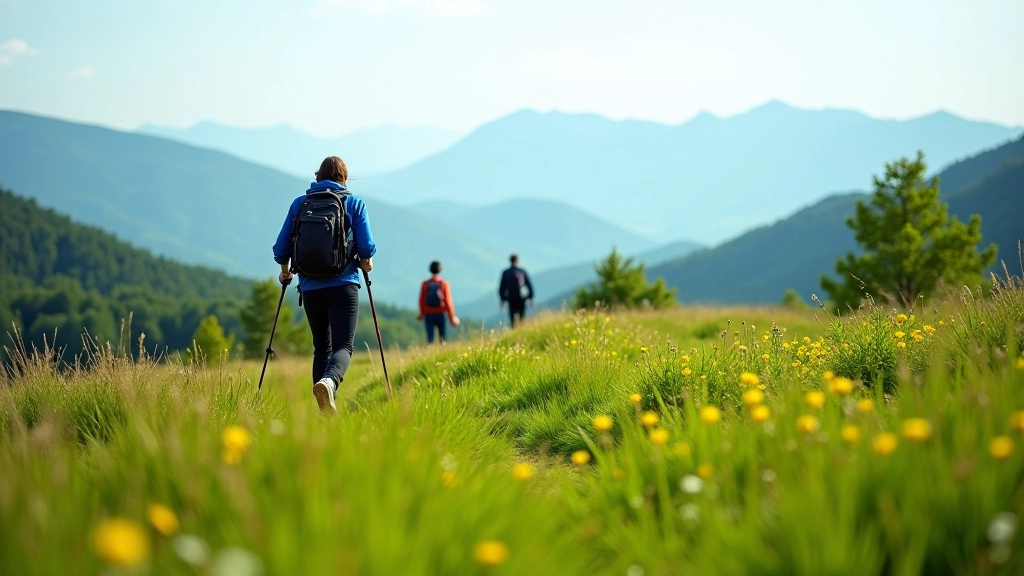
Man in outdoor gear walking with Nordic walking poles on park trail, demonstrating proper technique and form

What You’ll Actually Feel

After your first week, your legs feel worked but not destroyed. By week two, you’ll notice your calves are tighter. By week four, you’re walking faster and breathing easier. It’s not magical — it’s just consistent training doing what it’s supposed to do.

You’ll also notice your shoulders and upper back feel more engaged. That’s the poles working. About 90% of your body is involved in Nordic walking, which is why it’s so efficient. You’re not just moving your legs — you’re using your whole kinetic chain.

Most importantly, you won’t dread going out. Flat terrain means you can chat with friends, enjoy the scenery, and actually look forward to your next session. That consistency is what builds results.

Your Progression Timeline

Weeks 1-2: Foundation

You’re learning rhythm. Your body’s adjusting to the movement. Focus on technique, not speed. Sessions feel challenging but achievable.

Weeks 3-4: Confidence

Movement becomes automatic. You’re not thinking about every step. Distance increases naturally. You can sustain longer sessions without heavy fatigue.

Weeks 5-8: Building

Aerobic capacity improves. Your pace quickens. Recovery is faster between sessions. You’re ready to explore slightly longer routes or introduce varied terrain.

Week 9+: Ready for More

You’ve got a solid foundation. Your legs are stronger. Your technique is ingrained. Now you can tackle rolling terrain or longer distances with confidence.

Getting Started Practically

You don’t need much. Good walking shoes (nothing fancy — just comfortable and supportive). Poles that fit your height. Weather-appropriate clothes. That’s it. You’re not buying into some expensive fitness trend.

Start with 2-3 sessions per week. Consistency matters way more than intensity. A 45-minute walk three times weekly will give you better results than one 3-hour walk on Saturday. Your body adapts through regular stimulus, not occasional extreme effort.

Pick one route and do it repeatedly for your first month. Familiar paths let you focus on technique rather than navigation. Plus, you’ll notice subtle improvements — like covering the distance faster without trying harder.

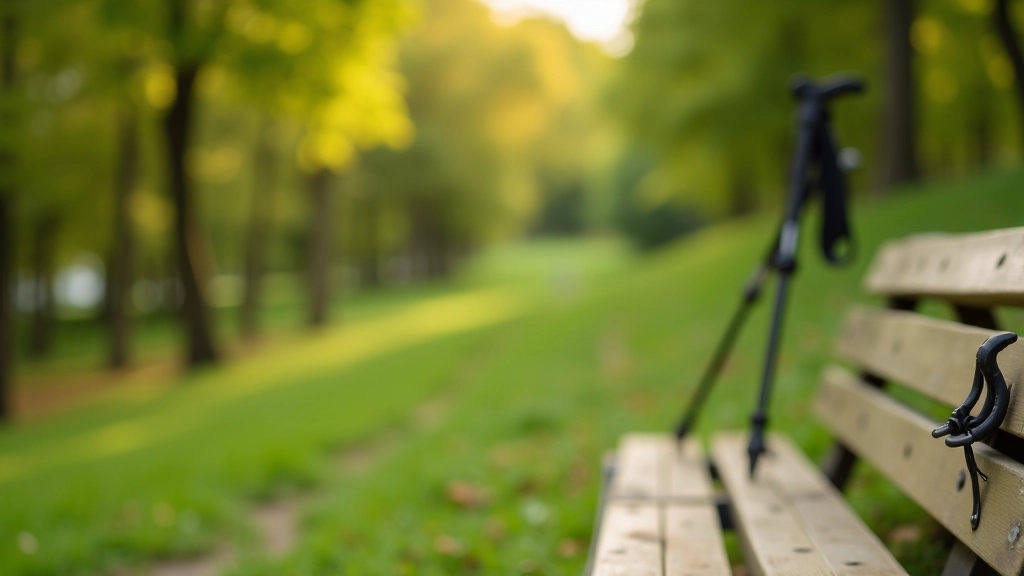
Pair of Nordic walking poles resting against a wooden bench in a park setting with trees and grass

Join Others Starting Out

“Wasn’t sure about it at first honestly. But after the first month my knees felt way better and I wasn’t getting winded walking to the store anymore. Now I do three sessions a week.”

Helena 67, Prague

“The flat parks made it possible. I’d never done organized exercise before and mountains sounded terrifying. But this? It’s just walking with sticks and it actually feels good.”

Pavel 55, Brno

“I do it for recovery after my harder running days. It’s low-impact but still keeps my aerobic fitness up. The Vltava path is my favorite — it’s beautiful and flat.”

Petra 38, Prague
Martin Kučera, Nordic Walking Expert

Martin Kučera

Senior Nordic Walking Expert and Routes Developer

Certified Nordic walking instructor with 14 years of experience in Czech mountain terrain and route development for Zephyronix Martin specializes in beginner-friendly courses and has helped hundreds of people discover Nordic walking on Czech trails.

Your Next Step

Flat terrain courses aren’t just for people who can’t handle hills. They’re for anyone smart enough to build a foundation properly. You’re setting yourself up for success — whether that’s staying active at 70, recovering from injury, or preparing for tougher challenges down the road.

Pick a park. Get poles that fit. Show up twice a week. That’s all you need to start. After a month, you’ll be stronger. After two months, it’ll feel natural. After three months, you’ll be looking at those intermediate routes thinking “yeah, I can do that.” That’s how it works.